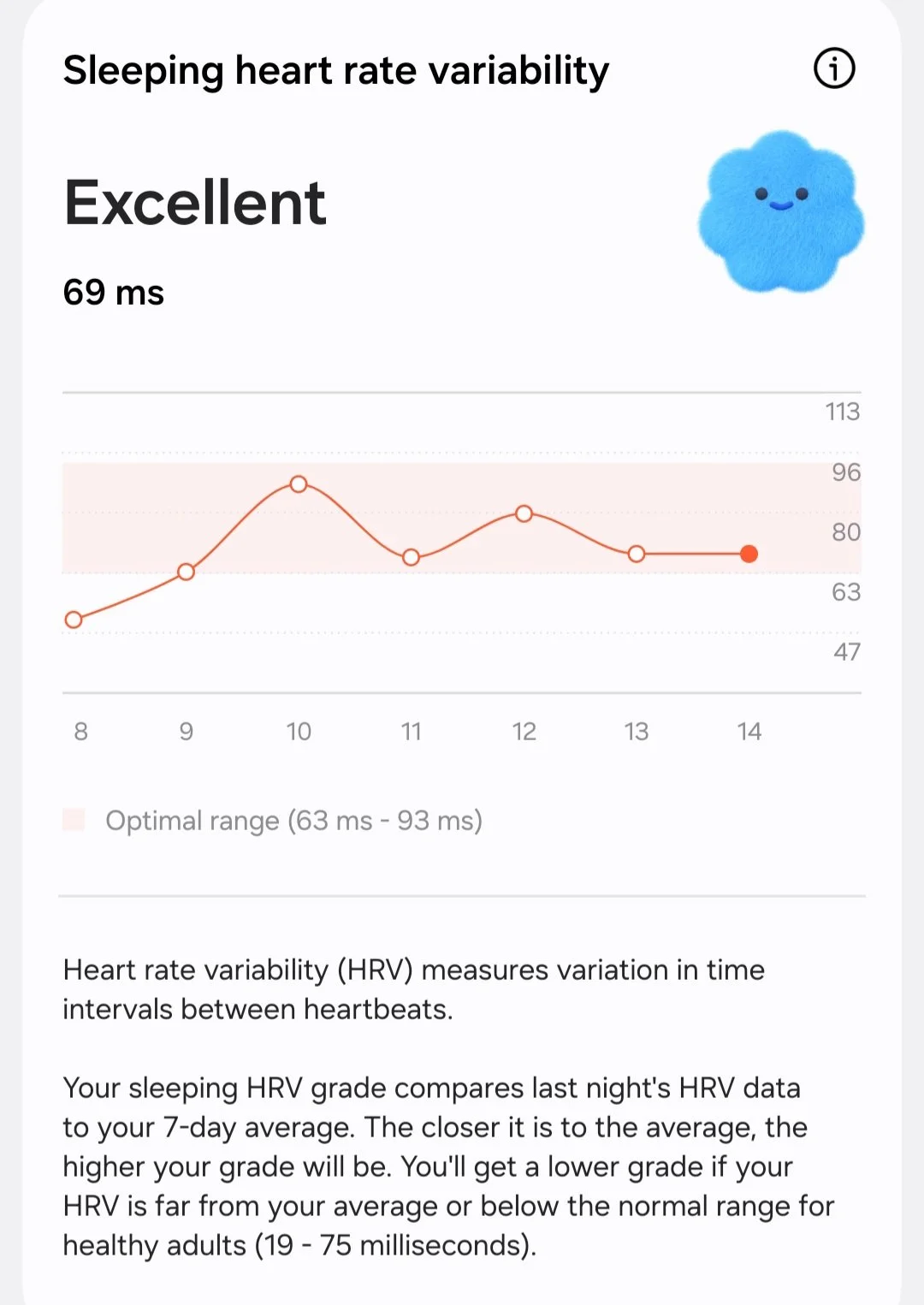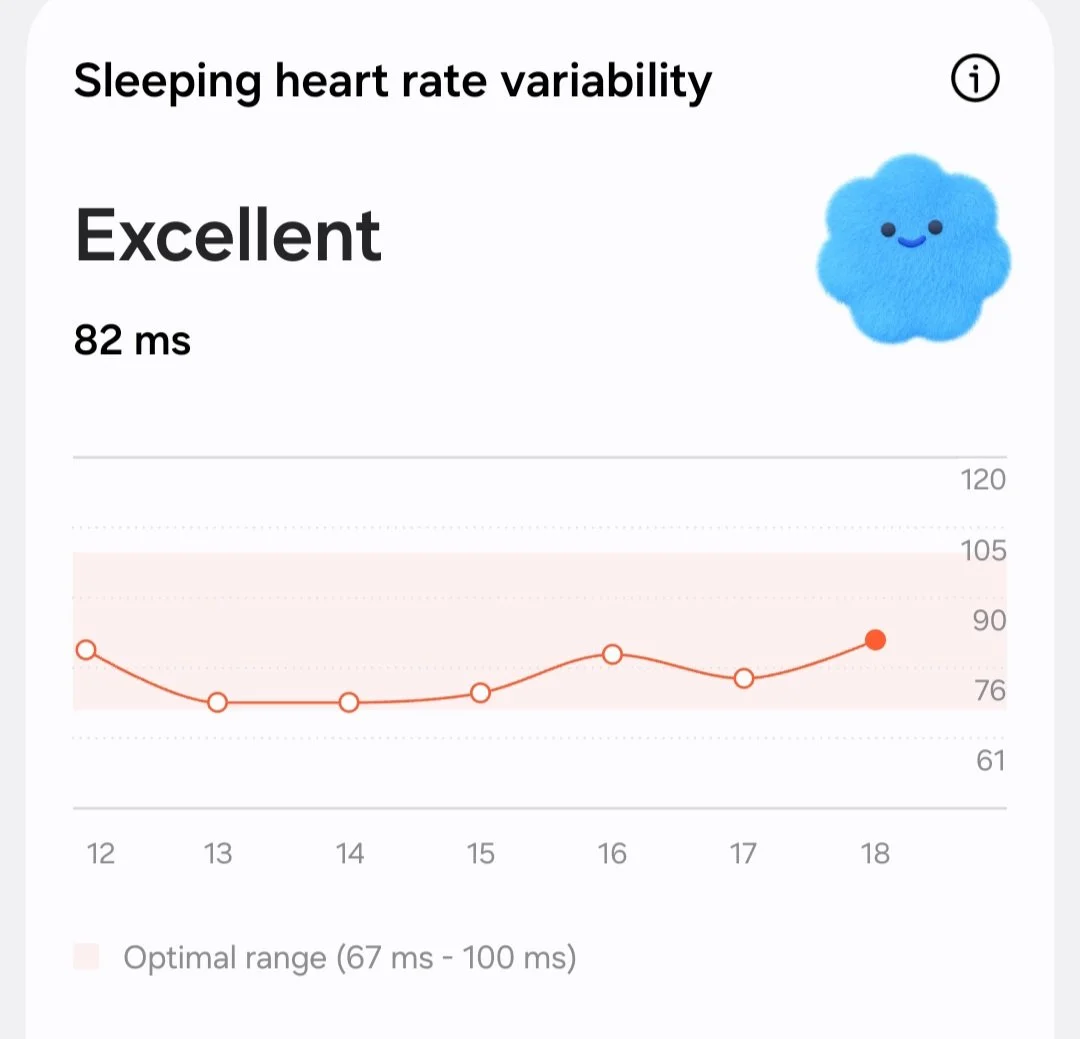
What does true adaptation look like?
Follow along and you will learn how the body responds to an external stressor and how it adapts to it over time.
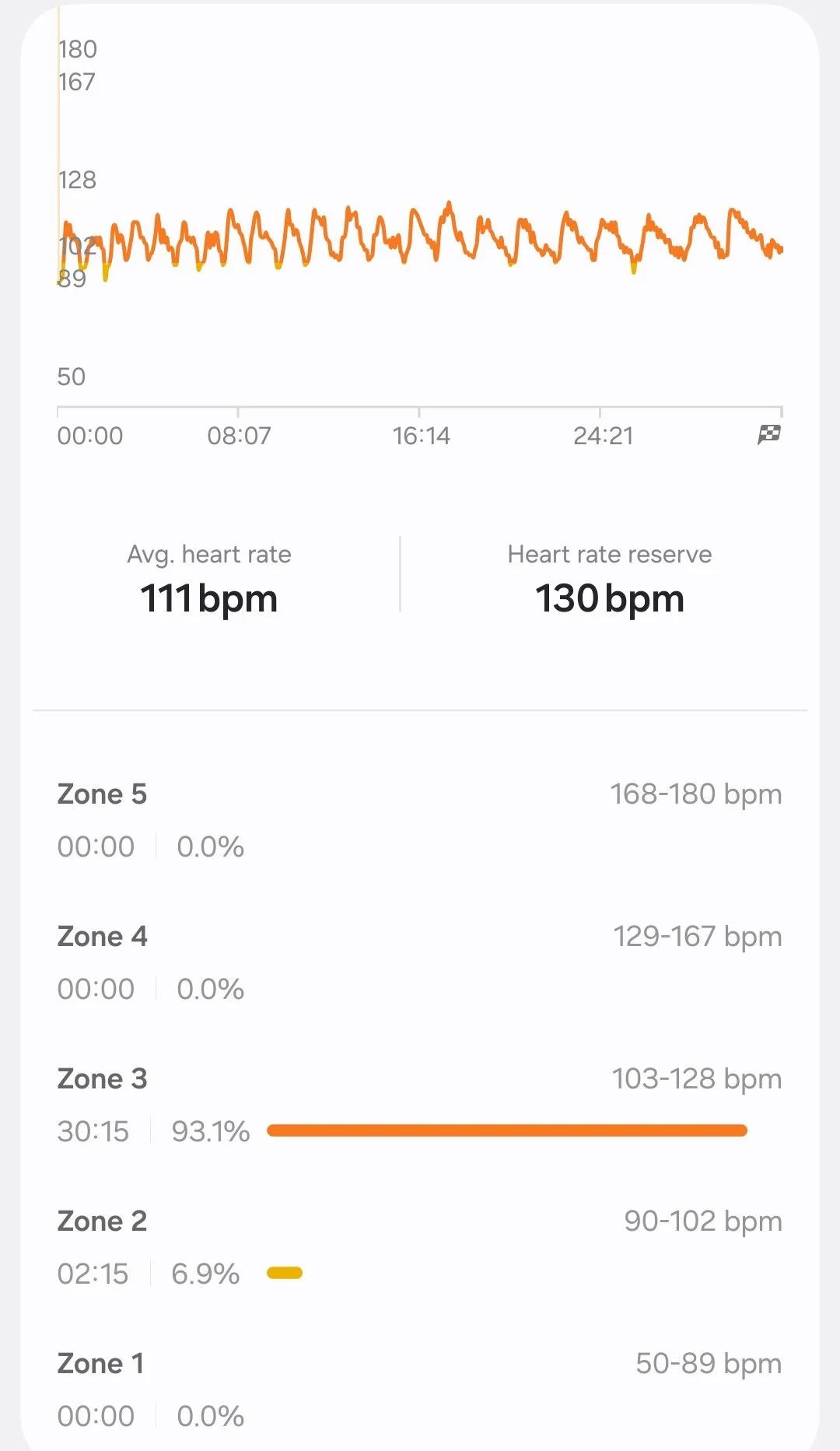
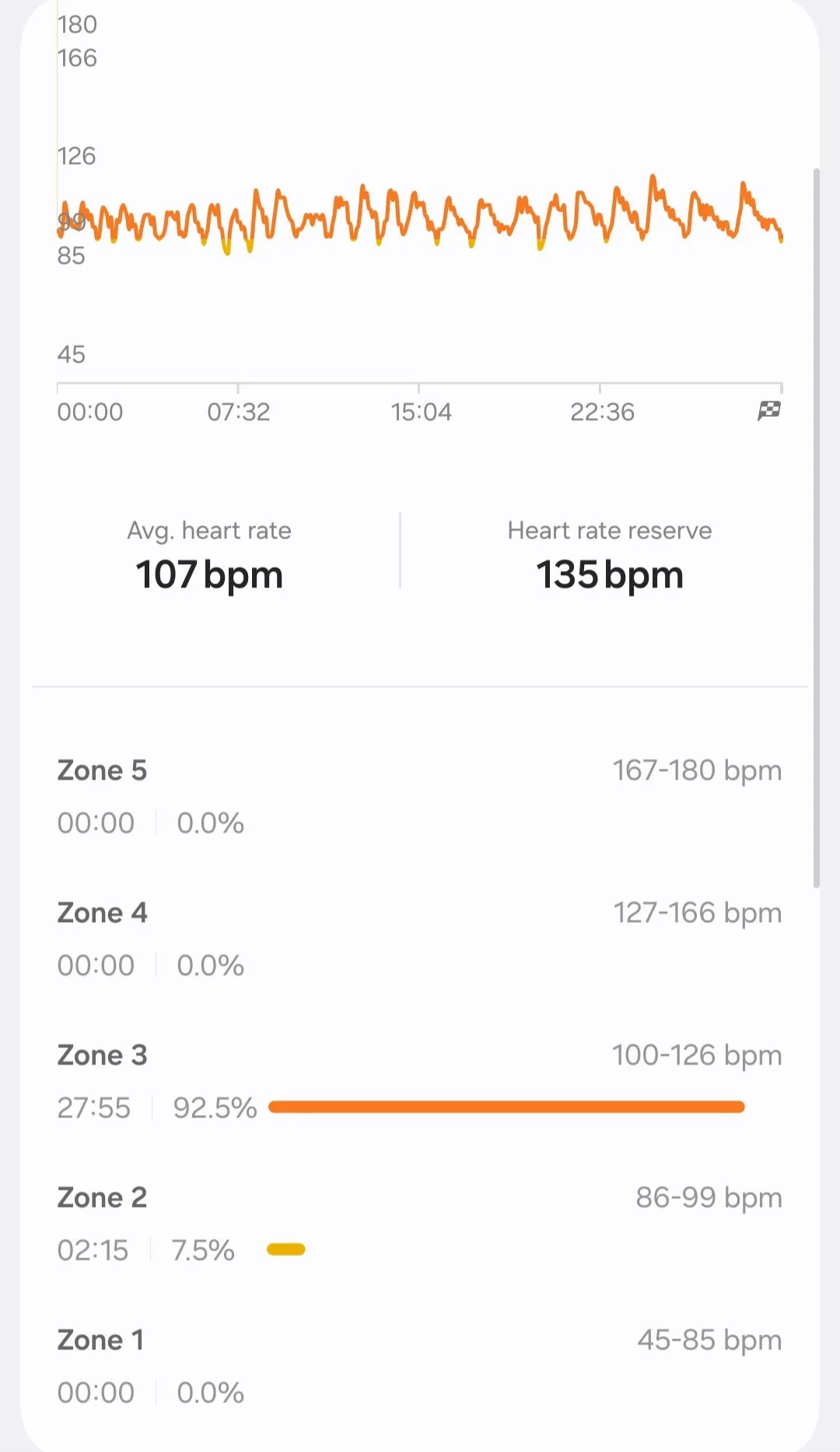
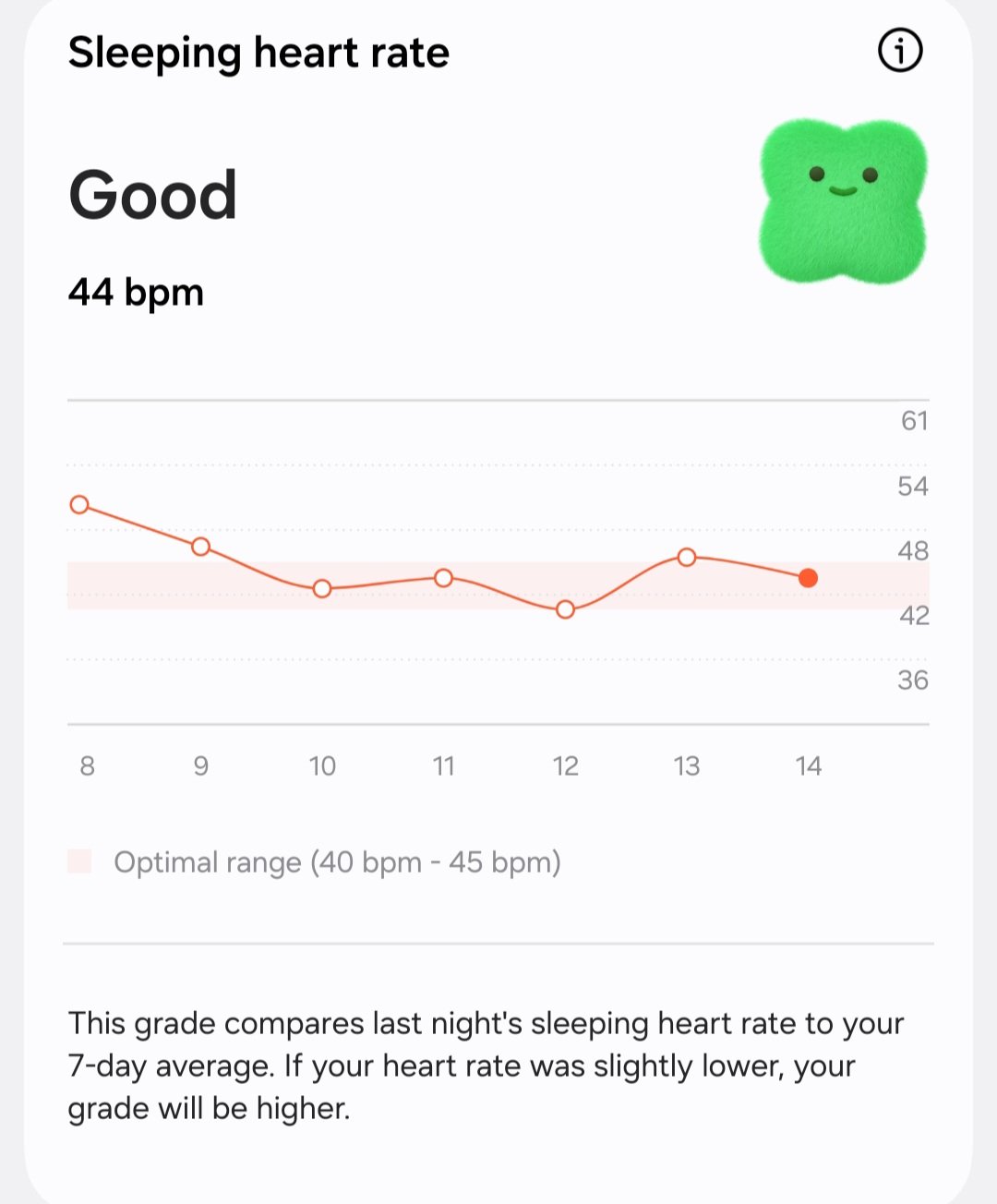
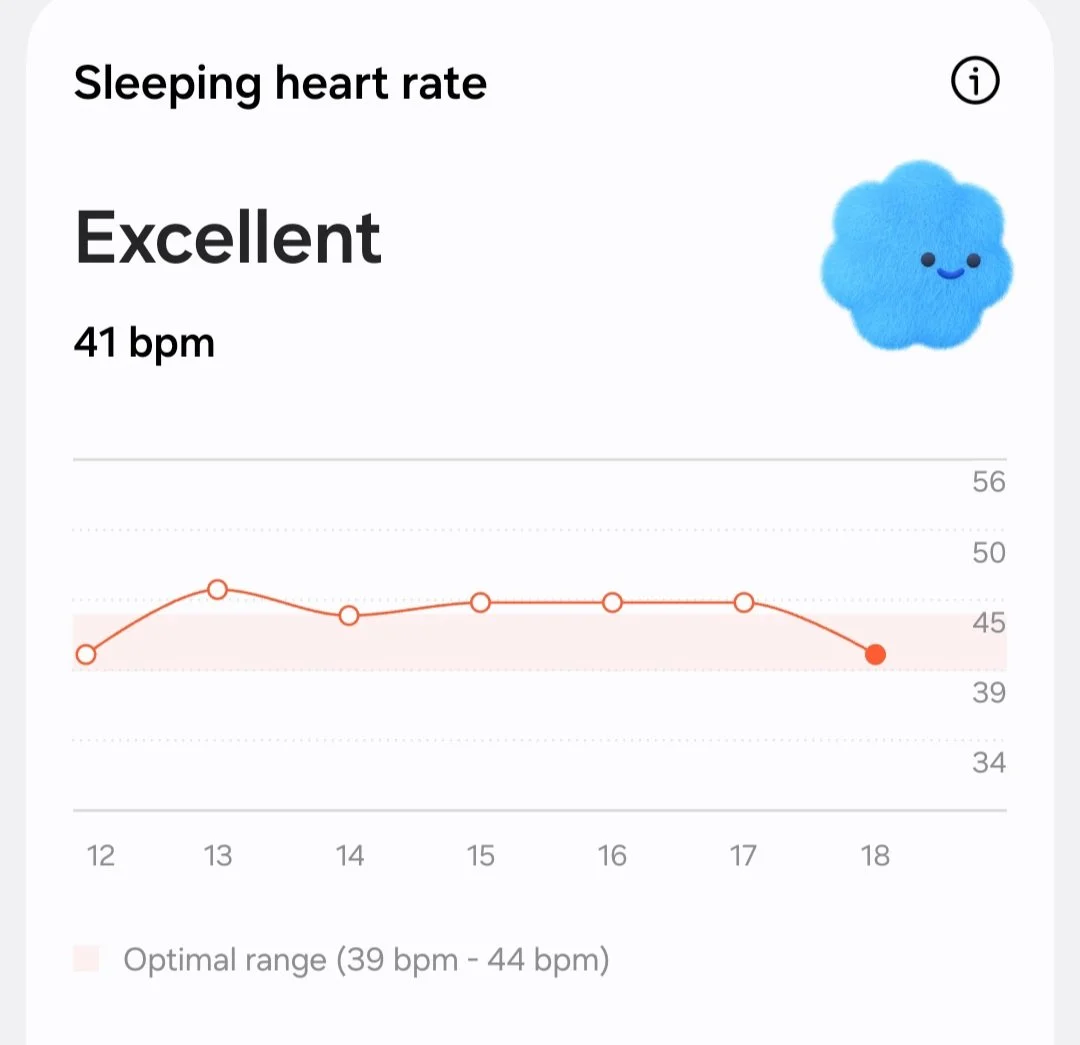
When you apply the appropriate stimulus, your CNS reacts by first recruiting as many motor units as possible. It is an emergency response. Your heart rate spikes and your breathing shifts because your body thinks it’s in a fight for survival. But real longevity isn’t about how fast, how high or how long you can redline the engine. It’s about how fast you can cool it down. This is where most experts fail you. They give you a timer and tell you to wait 90 seconds. But your biology doesn’t use a stopwatch. It uses your heart rate and mitochondria to clear out the waste and reset your ATP-CP for the next round. True adaptation happens when that same stimulus no longer triggers an emergency response. When your heart rate stays lower and your recovery happens faster, that is proof that your body has adapted. My A.R.T. Protocol uses the heart rate reserve zone 3 floor to verify this. We don’t add weight because the calendar says so. We add weight because the data proves the emergency is over.
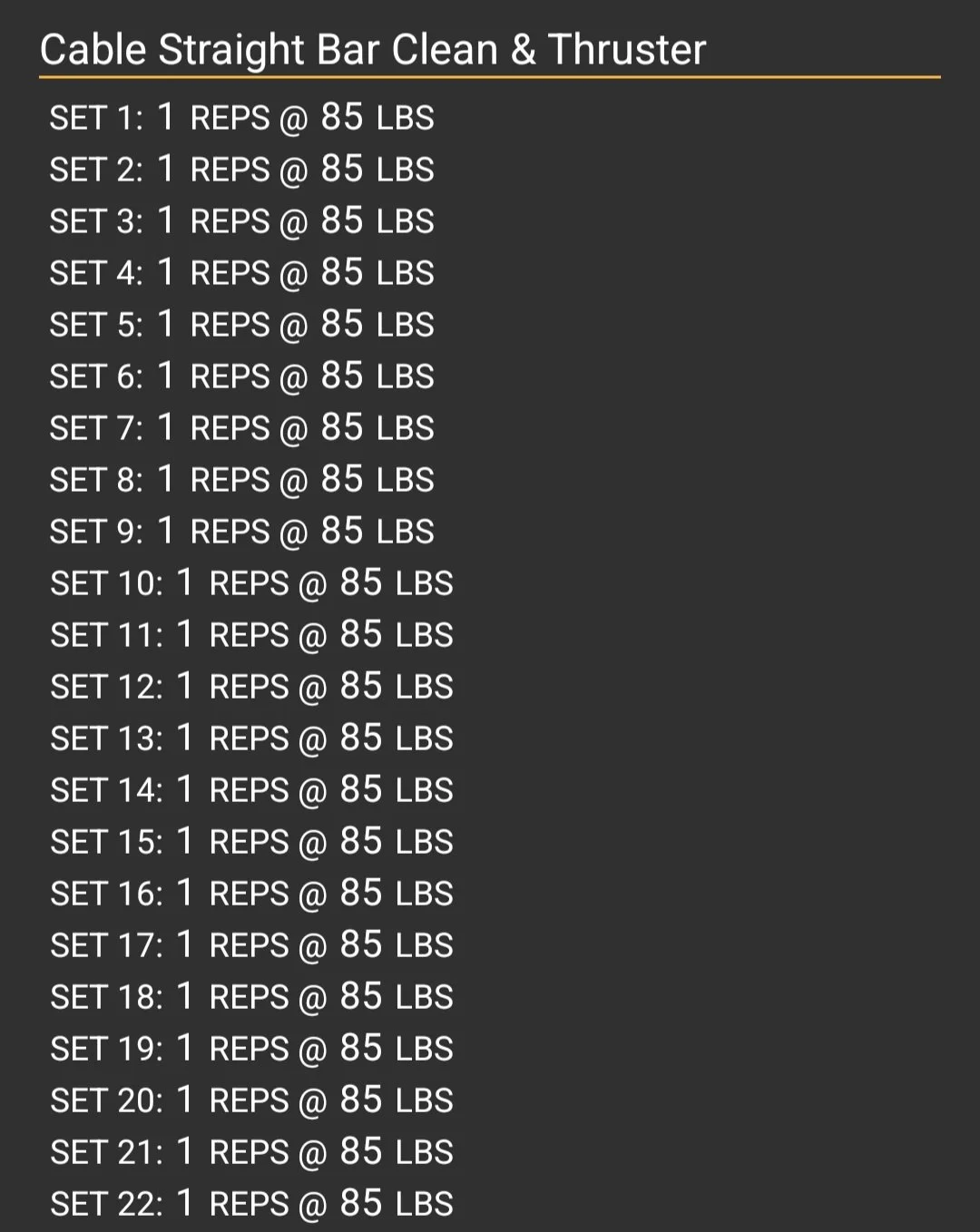
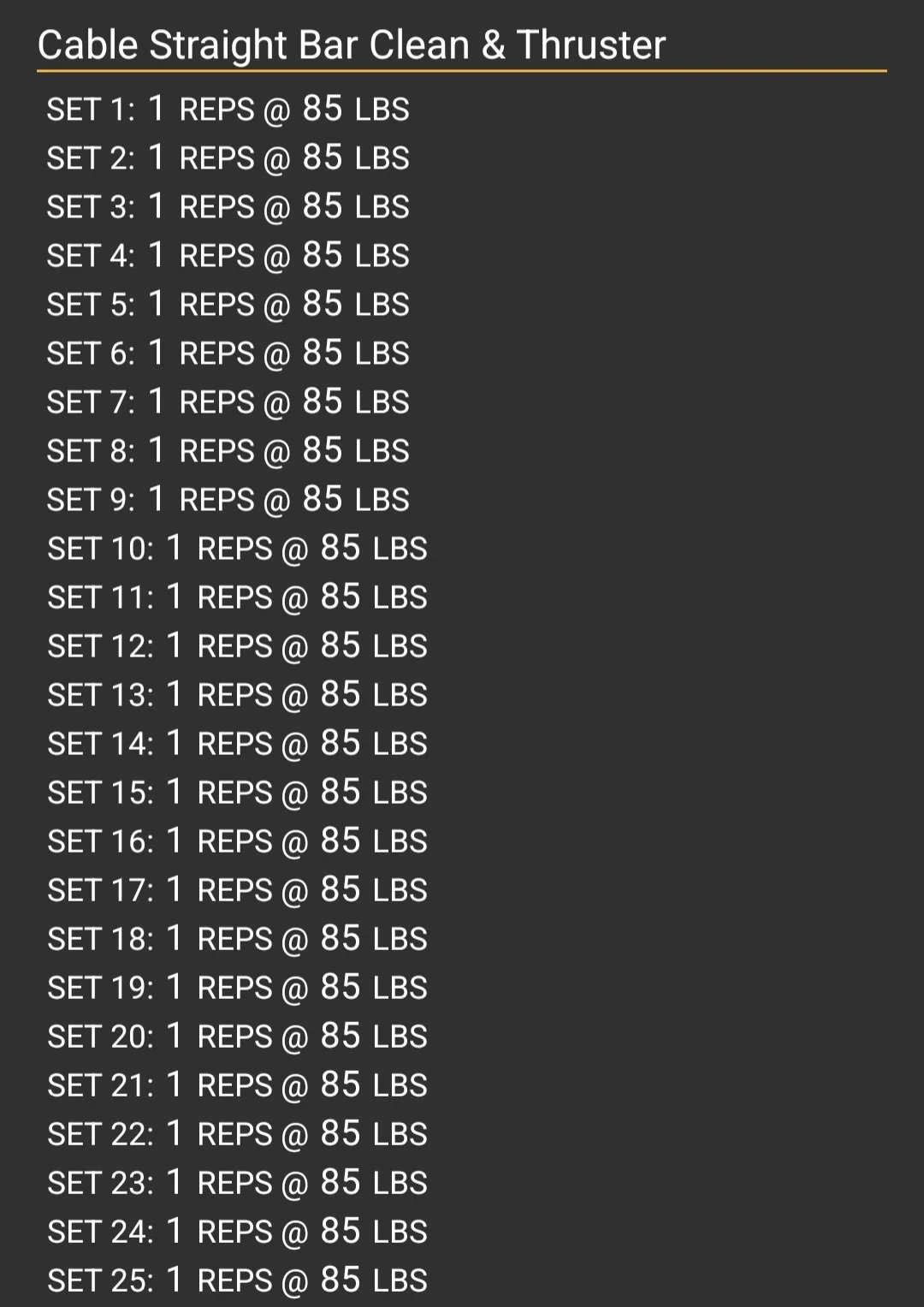
In this section I will demonstrate this process through a series of training sessions with a real-time heart rate monitor on screen. I will explain my setup, process and breathing protocol. The first video in the series will be the first session at 85 lbs. I will add a new video after each session through the adaptation process up until the point where I reach the next load progression gate. From there I will add and update a spreadsheet following my long-term progression over a 12 week cycle.